 by
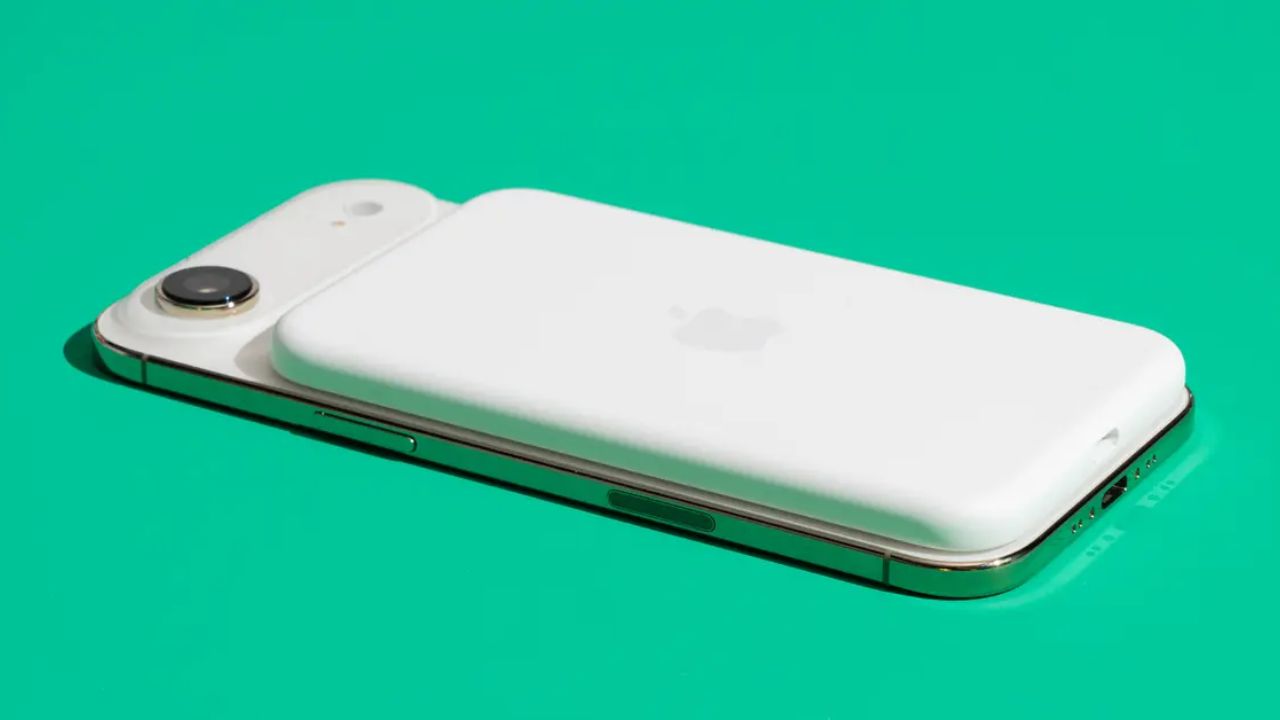
by When Apple released the iPhone 6, its 6.9mm aluminum frame quickly became the subject of controversy, with many users noticing that the device was prone to bending under pressure. This issue, widely shared in YouTube videos, seemed to highlight the vulnerability of the device to real-world mishaps. Now, with the release of the iPhone Air, the big question is whether this new model will suffer from the same fate.
In a video shared with Tom’s Guide, Apple subjected the iPhone Air to a machine that simulated 130 pounds of pressure in the middle of the device. The publication reported that the device “springs back remarkably well” and showed no lasting curvature after the test. While Apple’s demonstration presents promising results, we’ll have to wait for independent, third-party tests to confirm the device’s durability in real-world conditions.
Why the iPhone Air Is Less Likely to Bend
One major factor that differentiates the iPhone Air from its predecessor, the iPhone 6, is the material used for its frame. While the iPhone 6 was made with aluminum, which is lighter but less resistant to bending, the iPhone Air boasts a titanium frame, known for being significantly more durable and rigid. According to Apple, the iPhone Air “exceeds” its “stringent bend strength requirements” and is touted as the most durable iPhone ever.
Apple’s decision to use titanium for the iPhone Air’s frame seems to address the bending issue that plagued the iPhone 6. Titanium is stronger and more resistant to deformation, which could be a major reason why the iPhone Air should hold up better against everyday wear and tear.
Ceramic Shield and Drop Tests: How Durable Is the iPhone 17?
In addition to the iPhone Air’s bend resistance, Apple also highlighted the Ceramic Shield 2 front cover on the iPhone 17 models. According to Apple, this updated version of their Ceramic Shield provides three times better scratch resistance compared to the previous generation. A video from Apple demonstrated this feature, though the results, unsurprisingly, were favorable, as they come from the company itself.
Real-World Durability: The Final Verdict
While the videos from Apple present encouraging results regarding the iPhone Air’s durability, real-world tests will be the final deciding factor. Videos showcasing Apple’s own tests are helpful, but independent third-party reviews and consumer feedback will provide a clearer picture of how well the iPhone Air and iPhone 17 models hold up over time.
It seems safe to say that, based on Apple’s claims and testing videos, the iPhone Air is far less likely to bend in the same way that the iPhone 6 did. The transition to a titanium frame and improvements in overall durability give strong indications that the iPhone Air should hold up well in day-to-day use. However, the definitive answer will depend on independent testing and the experiences of actual users in everyday scenarios.
What do you think about the new iPhone Air’s durability? Do you think it will hold up as Apple claims, or will real-world tests tell a different story? Share your thoughts in the comments below!